Ecology of Bottlenose Dolphins
off Southern California
Why is this project important?
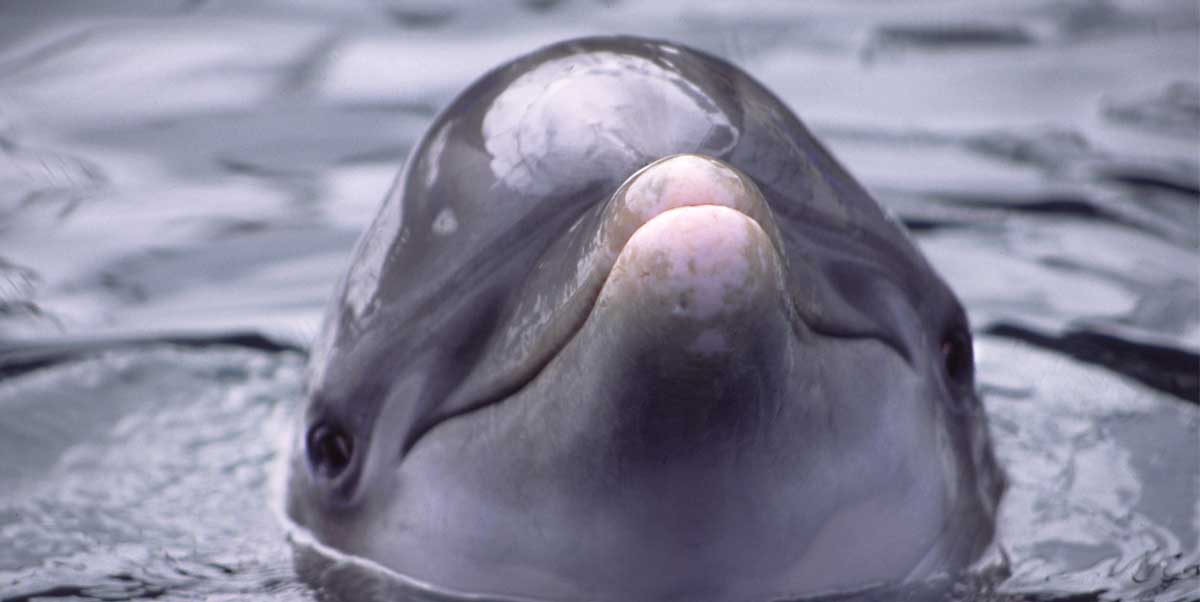
Dolphins tell us a lot about the overall health of our oceans. Bottlenose dolphins are top predators, and as such, useful bio-indicators of the status of the marine environment. Gaining a better understanding of bottlenose dolphin ecology, both in coastal and offshore waters, is crucial to protecting these and other species, and making sound conservation and management decisions.
What has our research team already learned?
Coastal Bottlenose Dolphins
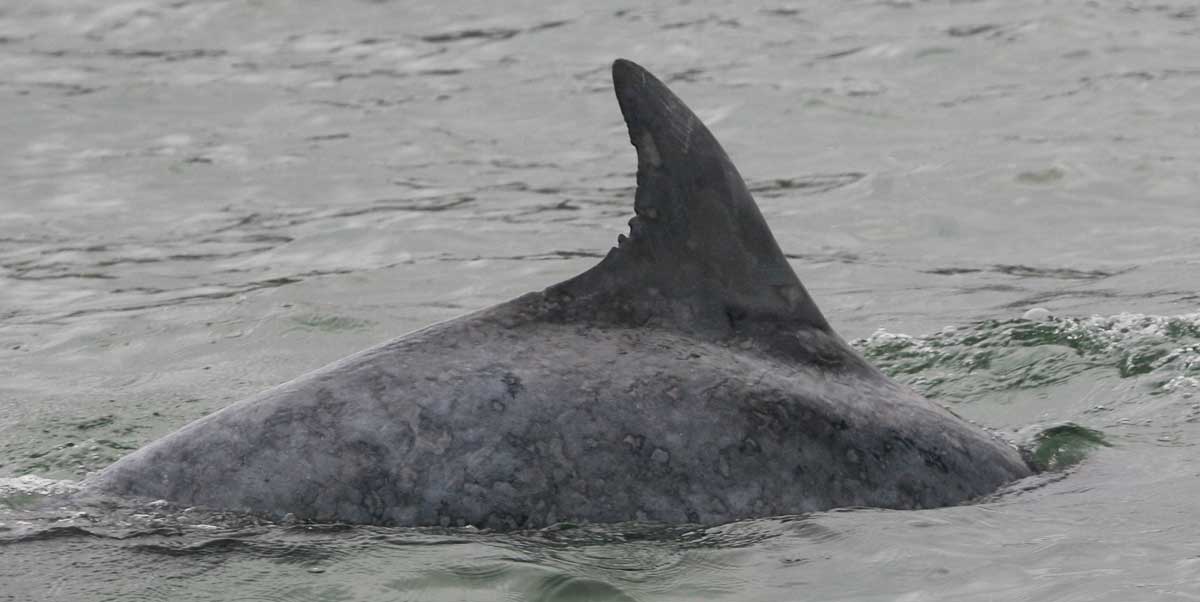
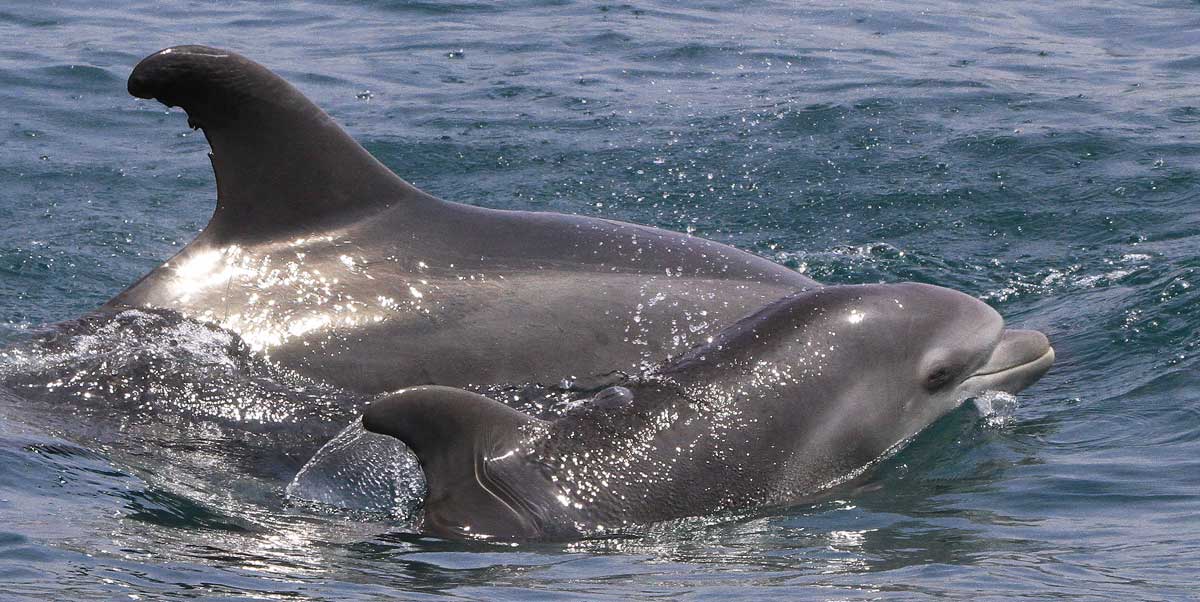
Since 1996, our team has studied bottlenose dolphins off Los Angeles, focusing on the coastal population (see our publications). This population is known to inhabit waters at less than 1 km (0.62 mi) from shore, and so far, we’ve learned that 416 distinctive individuals are frequenting our inshore waters.
We’ve found bottlenose dolphins to be present in the area year-round, using the Santa Monica Bay coastline mostly for feeding on bottom fish. Our past research shows that the bay is an important feeding ground for this coastal dolphin population.
Offshore Bottlenose Dolphins
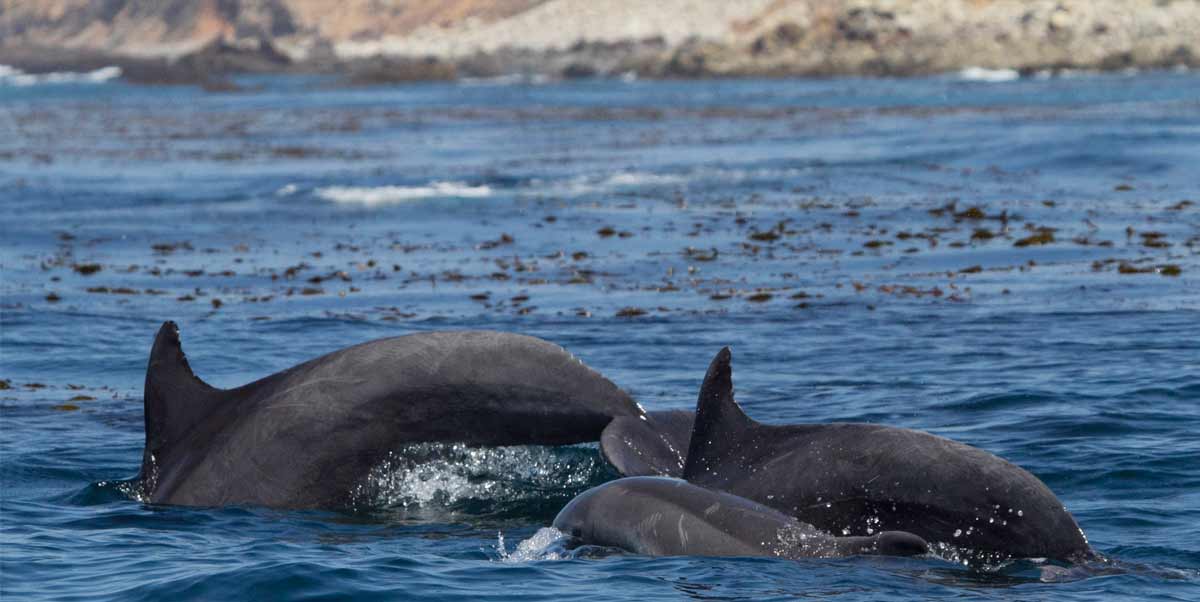
For nearly three decades, OCS has also studied the offshore population of bottlenose off Southern California, collecting data on them up to 40 miles from shore. This offshore population – estimated at 3000 individuals – is known to frequent waters more than 1 km (0.62 mi) from shore.
In 2009, our scientists published a paper showing not only that inshore and offshore bottlenose dolphins behave differently but, contrary to popular knowledge, that the two populations partially overlap. Our findings opened the door for an all-new set of research questions.
416
number of inshore bottlenose dolphin individuals identified in our study area – a few are available for adoption!
What are our current project goals?
Our primary objective is to expand the knowledge on the distribution, occurrence, seasonal frequency, and behavior of the offshore population and compare that information to a continuing study of inshore bottlenose dolphins. This is a challenging task considering the logistical difficulties of recording data on these wide-ranging animals!
Another goal is to better estimate and understand the degree of overlap between these two distinct populations that we’ve identified in our past studies.
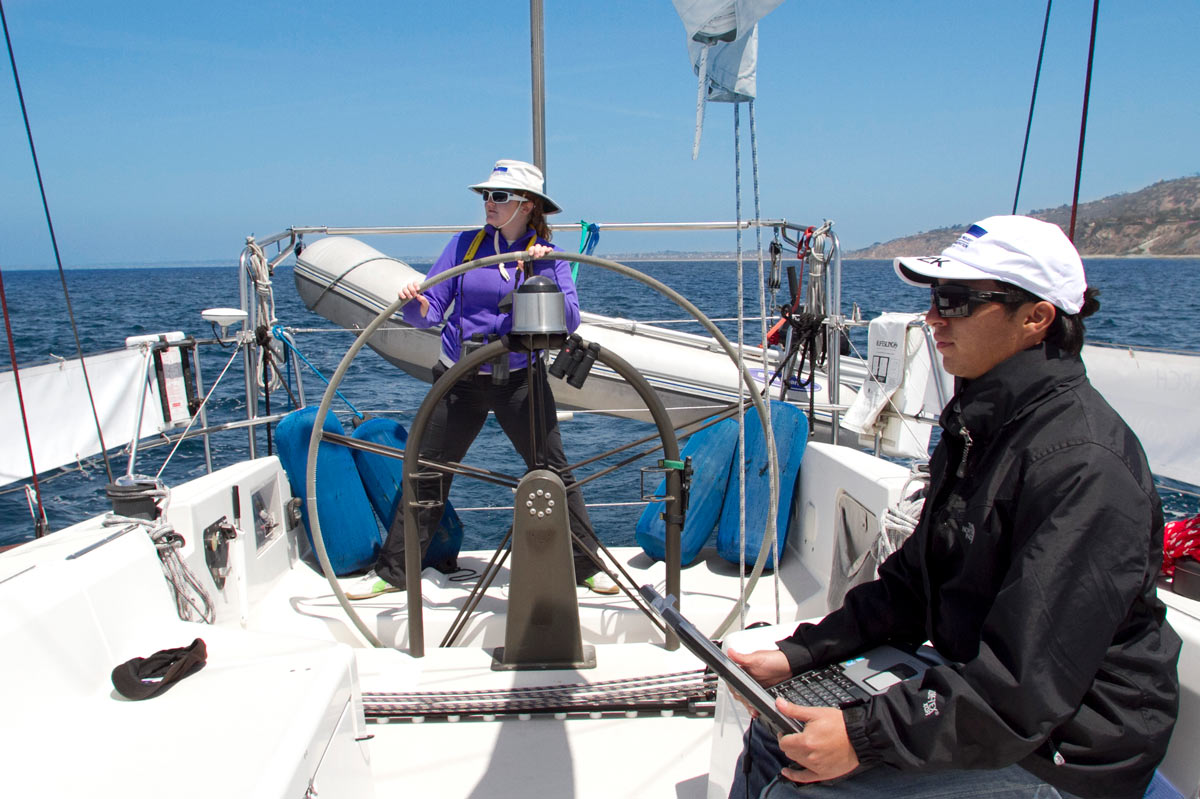
“One of the most important lessons I’ve learned as an OCS researcher is how much we don’t yet know. As much as we try as scientists to learn and to understand dolphins, and marine ecosystems in general, I believe we have only seen the tip of the iceberg. I hope our continued research helps us understand and protect these creatures.”
How is this project important for conservation?
Bottlenose dolphins are regular visitors off California and are considered to be indicators of the status and health of coastal habitats. Systematically monitoring them can provide key data for:
• a better understanding of their habitat use
• tracking the progression of poorly known diseases as well as detecting emerging (and re-emerging) pathogens that may impact both dolphin and human health
Learning more about the ecology of coastal and offshore dolphins in California waters is useful not only for decisions affecting our local Marine Protected Areas (see our MPA project) but may also have implications for future genetic and population studies leading to better protection of these animals.
SUPPORT DOLPHINS
Help fund on-the-water dolphin research
We need everyone’s active support to build a more sustainable future for bottlenose dolphins and our oceans. By donating to this year-round, long-term project, every dollar will go directly to buy miles at sea and continue on-the-water research surveys on this critical species.
EXPLORE
Learn about our other research projects